Incubating Hope
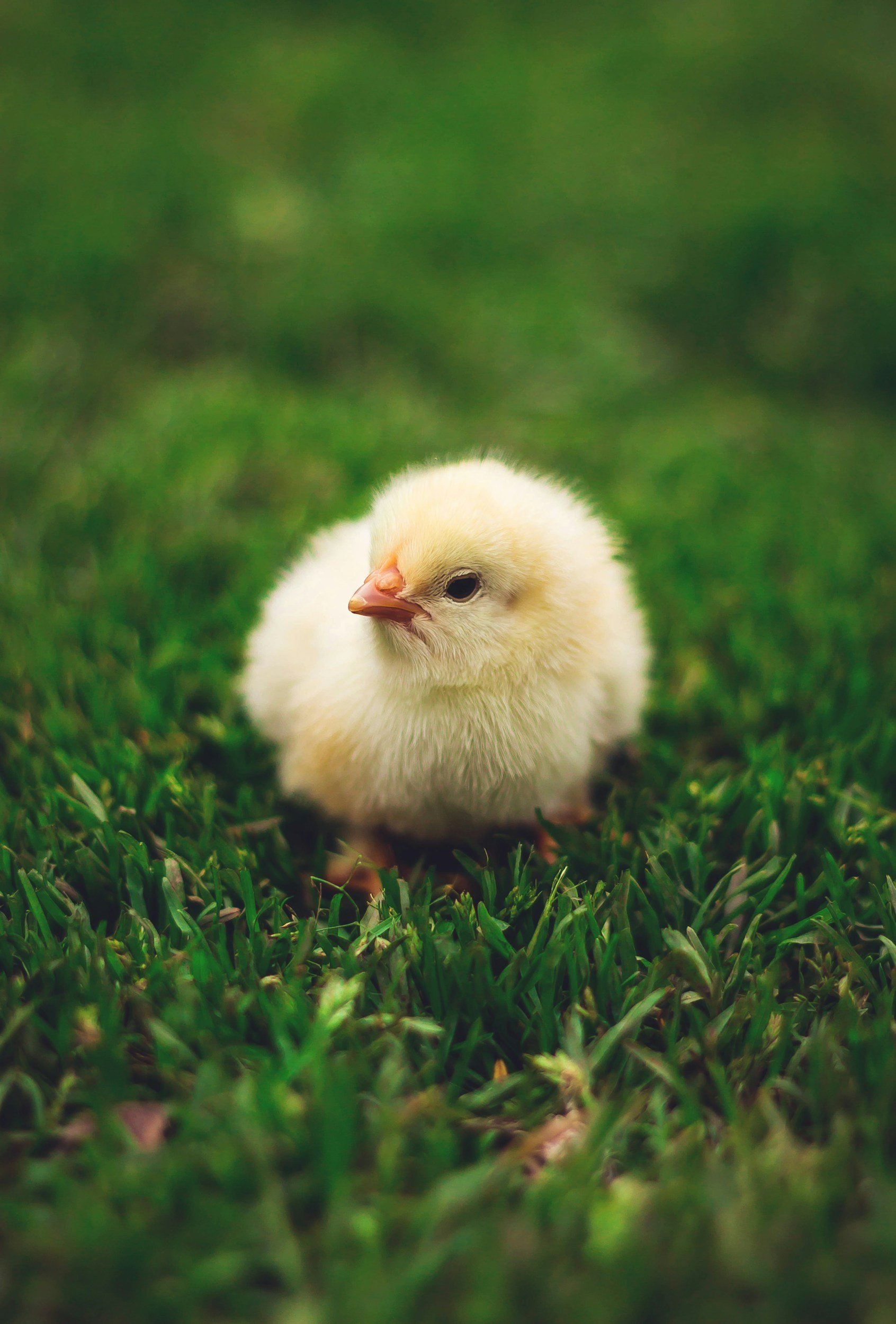
On a perfectly dreary Sunday morning, I’m sitting with my coffee watching our little flock of chickens do their silly T-Rex runs across the backyard, kicking up soft earth in search of insect snacks after a late winter rain.
Ever since I was a little girl, drawn to pastoral stories like Little House on the Prairie and Sarah, Plain and Tall, I dreamed of having backyard chickens.
Last year that dream came to life in a surprising place: a kindergarten classroom.
Many of our chickens hatched from eggs my partner received from a local regenerative farm. For three weeks, little kindergarten noses pressed eagerly against the incubator’s plexiglass as they waited.
They lit up with litanies of questions about these birds, and then, subsequently, about everything under the sun.
Why do they come from eggs and we don’t?
Who decided that?
How do they stay alive before they eat food?
¿Cómo respiran?
¿Qué es respirar?
Curiosity multiplied.
Learning suddenly became tangible, useful, wonderful.
For teachers and students alike, these are the classroom moments that etch themselves, indelibly, into the memory of the heart.
The daily tending to and toting home of little birds every weekend was and continues to be a deep, reciprocal labor of love in many forms. Today we give dozens of eggs to teachers, neighbors and friends. We pile them into breakfast tacos before long school days. My daughter is even preparing to sell them at a young entrepreneurs’ market.
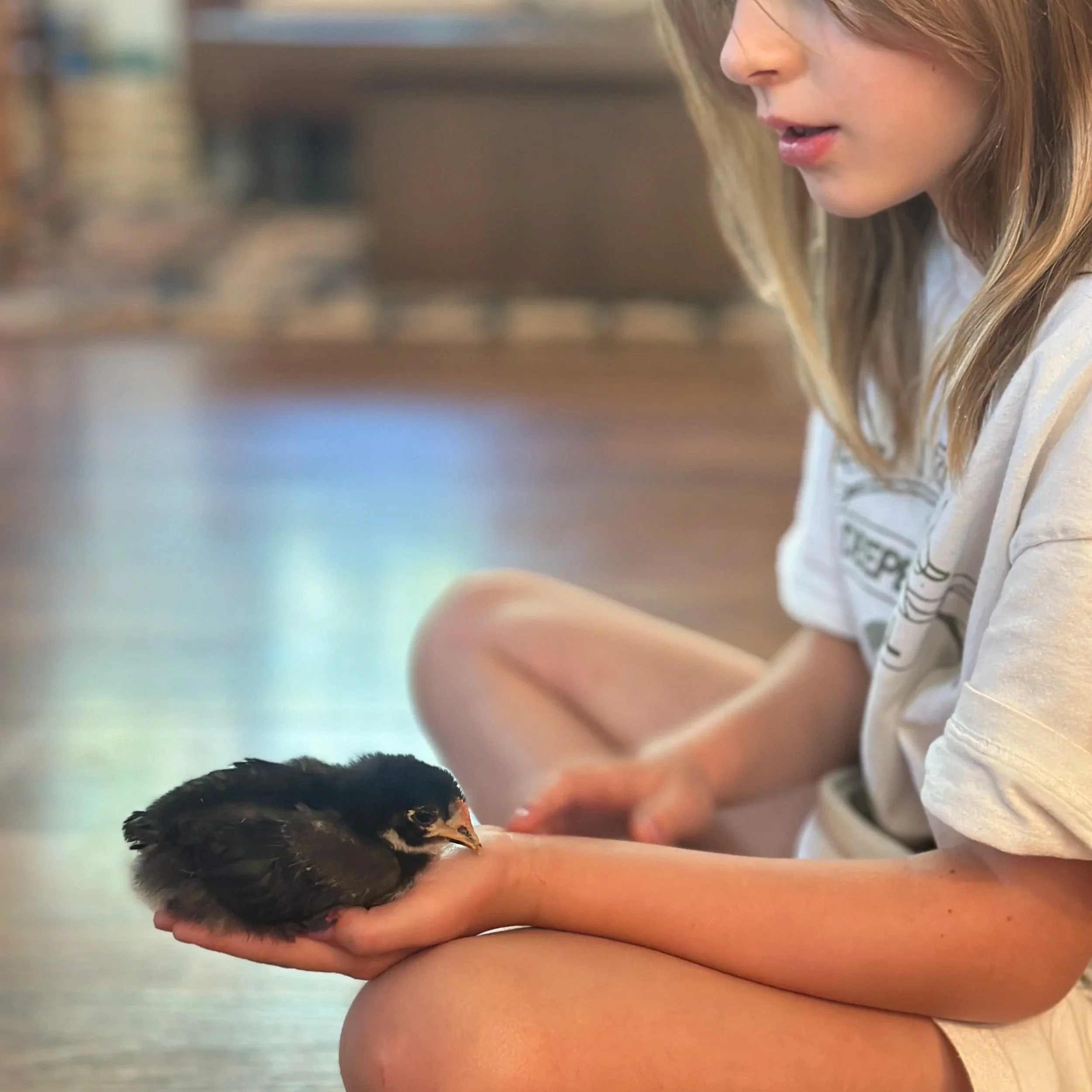
Slowing down enough to teach children how to care for animals that then nourish us is an investment in the future world I want to live to see, one built on skills and relationships no algorithm can replicate.
In a culture of constant acceleration, this kind of learning feels almost rebellious.
Bored? Here’s a screen.
Need to write a paper? Ask ChatGPT.
Hungry? Open a bag of something food-like whose origins are impossible to trace.
But childhood was never meant to move at that speed.
Our chicken project admittedly wandered off the path of the district-approved curriculum. Thankfully, our principals trusted us enough to let the learning unfold.
Through it, my teaching partner and I realized something simple but powerful: children crave and thrive with this kind of holistic learning.
Then came the news that our school, a beloved campus that has served Austin children since 1936, would close as part of district consolidation.
Like many families and educators, I felt heartbreak.
But I also believe deeply that endings can be doorways.
Not for the sake of disruption, but for devotion to progress.
The closure became a catalyst for a question many educators quietly ask: What if school could move at the pace childhood actually requires?
Public education is under pressure everywhere, including here in Austin. Budgets are strained, campuses are closing, and classrooms are increasingly asked to do more with less.
But there is another crisis that receives far less attention.
The quiet erosion of childhood itself.
If public schools change or disappear, communities will adapt. They always do.
But if childhood disappears — replaced by constant stimulation, performance metrics, and digital shortcuts — something far more essential will be lost.
Public school extinction, I can bear if I have to.
Childhood extinction, I cannot.
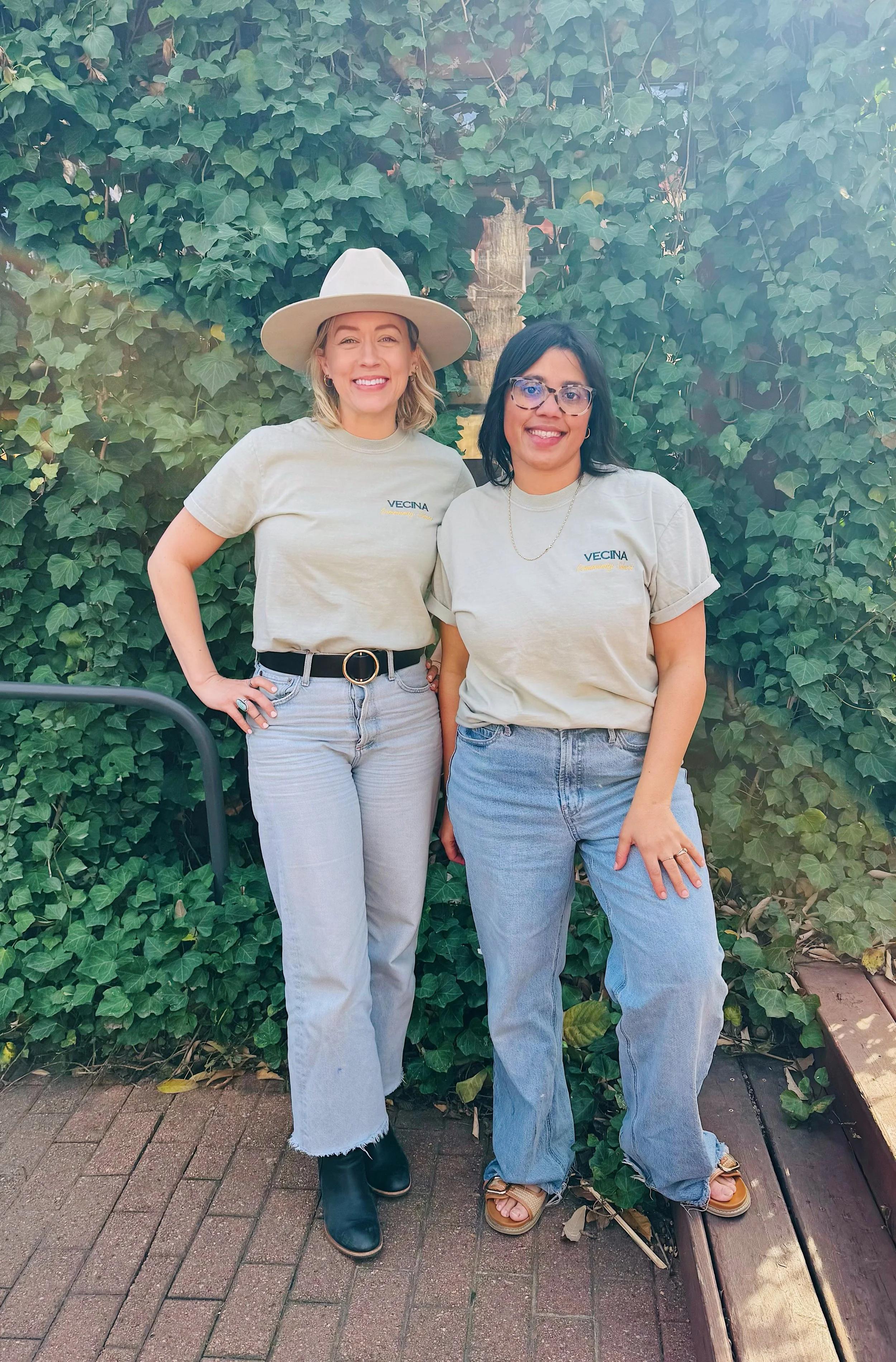
And so my classroom neighbor, colleague and friend — my vecina, the Spanish word for neighbor — and I decided to try something bold.
We are opening a small school in Austin this fall: Vecina Community School.
We are starting the same way many schools do.
Small.
Small enough to know every child deeply.
Small enough to follow curiosity where it leads.
Small enough to protect the sacred, fleeting years of childhood.
Because the most meaningful things begin this way.
A chick in an egg.
A child asking why.
A classroom filled with wonder.
And sometimes, if we are patient enough, a new school.
If you feel called to give to (or share!) our GoFundMe, we are raising money to help launch our school. Funds raised will help us secure a welcoming space and provide essential classroom materials—like picnic tables, shelves, furniture, books, and even lumber for garden beds—so our students can learn, play, and grow together. We invite you to support Vecina Community School as we open our doors and nurture a new generation of learners. Your contribution will help us create a warm, inspiring environment for children to grow and thrive.
Here’s to cultivating curiosity, community, and a new generation of neighborly love!